Making Life More Affordable
 An NHS There When Scots Need It
 Kickstarting the economy
 Developing skills and creating good jobs
 Setting our young people up to succeed
 Stronger communities
 A safer Scotland
 Homes for all
 Protecting our natural environment
 A government that works for you
 An outward looking country
 Paying for our promises
 This Election is a Straight Choice
 Manifesto Accessibility
An NHS there when Scots need it
Scottish Labour will:
Fix the mess by:
- Driving down NHS waiting lists, using capacity wherever it is available.
- Tackling delayed discharge, with 300 step-down beds in care homes and 1,000 more care at home packages.
- Legislating for Milly’s Law to end the culture of cover-up and get the truth for families.
- Expanding residential rehab to tackle the drugs death crisis.
Get the basics right by:
- Introducing breakfast clubs in all primary schools so no child starts the day hungry.
- Ending the 8am rush for a GP appointment and bringing back the family doctor.
- Delivering £15 per hour for social care workers, working to improve terms and conditions in the sector.
- Establishing a 10-year workforce plan, with a train here, stay here policy for new graduates.
Deliver a better future by:
- Investing in modern AI scanners and equipment to detect cancer early.
- Speeding up the NHS app so patients can order repeat prescriptions and book appointments on their smartphone.
- Creating a new emergency mental health response service so that people in mental health crisis get NHS care, not a police response.
- Streamlining the number of NHS boards to cut bureaucracy and direct resources to the frontline.
An NHS there when Scots need it
Looking after our health is key to the flourishing and prosperity of our nation. The NHS should be there for us when we need it, but without action the core principles upon which Labour first founded the NHS – universally available and free at the point of need – are at risk in Scotland today. Scottish Labour will always defend the NHS, but we also know that it cannot afford to stand still if it is to keep delivering for the next generation. That is why we will act to drive down waiting lists and modernise Scotland’s health service.
Skip to:
Tackling the waiting list backlog → Improving access to good local care → Creating a modern NHS → Reducing Waste and Bureaucracy → Supporting our NHS workforce → Protecting women’s health → Supporting good mental health → Restoring access to NHS dentistry → Helping people to live well → Promoting healthy lifestyles → Catching and treating cancer early → Addressing Scotland’s substance misuse crisis → Improving end of life care → Valuing social care
Tackling the waiting list backlog
Driving down the huge waiting list backlog will be a day one priority for a Scottish Labour government. We will:
• Break down barriers between health boards, so that any patient who has waited too long, and who is willing to travel elsewhere in Scotland or the UK, can be offered appointments and treatment in health boards with space to treat them.
• Reform NHS funding so that funding follows the patient. Health boards will be incentivised to maximise their capacity and improve their productivity as they will only be paid for the work they carry out.
• Use all available capacity no matter where it is, even if that is elsewhere in the UK or it means purchasing capacity from the independent sector on a short-term basis. Our priority will be to prevent patients having to pay out of pocket for treatment they should get on the NHS.
• End “corridor care” and get A&E waits down to under 4 hours, by improving patient flow through hospital, enhancing acute frailty services and improving access to GP and NHS 24 advice so patients do not have to resort to attending A&E.
• Speed up ambulance response times, introducing a 45 minute target for ambulance turnarounds to prevent vehicles being stuck in queues outside hospitals.

Improving access to good local care
Excellent primary care is crucial to improving Scotland’s health so Scottish Labour will make it easier for people to get treatment and health advice when they need it by:
• Ending the 8am rush for a GP appointment and delivering online booking of GP appointments with a new GP contract, which we will start negotiations on within the first 100 days of a Scottish Labour government.
• Bringing back the family doctor to deliver continuity of care and guarantee a GP appointment within 48 hours for everyone who needs one.
• Expanding the role of community pharmacy, optometry and audiology in delivering advice and treatment for common conditions so people can get help more quickly and through walk-in facilities.
• Protect services in under-served areas, working with GPs to secure provision in rural and Deep End practices.
• Creating new neighbourhood health hubs that co-locate general practice, pharmacy, dentistry, community health, physiotherapy, social care and other health services in the one place. Replacement of older GP surgery buildings will follow this model so that patients have better access to local services as the estate is modernised.
Scottish Labour’s vision for the future of the NHS will also see patients able to access the best quality specialist care, while everyday health services are brought closer to communities. We will:
• Shift resources from hospitals into local communities, so that patients can access more diagnostic tests and outpatient treatment closer to home in our neighbourhood health hubs.
• Establish a virtual hospital that will allow patients to attend outpatient consultations and follow up appointments online. This will reduce the need for patients to take extra time off work or travel long distances to speak to a specialist.
• Allow GPs and professionals to refer patients directly for specialist tests or services and, where appropriate, allow patients to self-refer.
• Collaborate across the UK to ensure that patients can access specialist treatment centres and cutting-edge clinical trials elsewhere in the UK.
• Improve coordination of services for veterans, promoting the GP Armed Forces and Veterans Recognition Scheme and expanding Veterans’ First Point Services.
Creating a modern NHS
For too long Scotland’s NHS has remained stuck in the analogue age. Scottish Labour will realise the benefits of modern technology and digital working by:
• Speeding up the roll out of an NHS app and patient portal so that it is available in every health board within the first 100 days.
• Prioritising the delivery of e-prescribing and ensure the new app delivers repeat prescription ordering and online booking of appointments within 12 months.
• Creating a single patient record which both patients and medical professionals can view to improve communications and continuity of care, and ensure patients no longer have to explain their treatments and conditions from scratch in new settings.
• Expanding the NHS-approved use of wearable technology so that patients are empowered to monitor their conditions and take action without needing to attend the GP. This will also improve the care clinicians can provide their patients by utilising real-time data.
• Prioritising investment in new technology, investing in new AI-enabled MRI and CT scanners to help detect cancer early with a new NHS infrastructure plan.

Scotland has world class universities, research facilities and medical expertise from which patients should be benefitting. Scottish Labour will ensure that Scots are able to access the cutting edge of research and treatments by:
• Ensuring NHS consultants have dedicated research time, to support the development of innovations and research projects within Scotland. This will also form part of our plans to help retain experienced staff for longer.
• Modernising medical data systems, so that anonymised health data can be safely used for large scale research and analytics to develop new clinical interventions and treatments.
• Securing Scotland’s participation in large scale clinical trials, working with the UK Government to ensure Scottish patients do not miss out on new treatments.
• Supporting university R&D and health spin outs with our new approach to business support and encouraging entrepreneurialism in Scottish universities.
• Review the medicines approval and procurement processes, to reduce unnecessary delays to approvals and improve access to new medicines.
Reducing waste and bureaucracy
Scotland’s NHS has more staff and more funding than ever before but is paradoxically delivering less care. A population of five and half million people does not need over 50 health and social care bodies or quangos to deliver healthcare. Scottish Labour will cut the bureaucracy and SNP waste that is holding back our health service by:
• Reducing the number of territorial boards to three, cutting down on the number of chief executives and directors. Instead, resources will be pushed down to local communities with reformed health and care partnerships that give local people a greater say over their local services.
• Streamlining the number of special NHS boards. A review of their activities will remove duplication and reduce the number down to no more than five.
• Taking a “One Scotland” approach when it comes to NHS procurement and new innovations to reduce variation between regions and speed up the adoption of new technologies and medications.
• Introducing productivity metrics for the NHS, following examples elsewhere in the UK to help identify opportunities to improve service delivery.
Patients and their loved ones turn to the NHS when they at their most vulnerable and so trust is crucial. Scots deserve the best levels of care so Scottish Labour will ensure that delivering better experiences and outcomes for patients is once again placed at the heart of the health service. To create this culture, we will:
• Tackle the scale of delayed discharge, starting with 300 step-down beds in care homes so people can leave hospital while still waiting for a care package. We will also improve data collection around the causes of delays and explore legislative change that would improve the process for those without capacity.
• Establish a new National Clinical Council that will directly advise Scottish Government Ministers on the adoption of reforms and innovations to improve patient outcomes.
• Legislate for Milly’s Law to end the culture of cover-up, establishing an independent public advocate who can act on behalf of bereaved families and investigate incidents, so that families get the truth when things go wrong.
Supporting our NHS workforce
The NHS’s skilled and experienced workforce are its most valuable resource. Scottish Labour will end the scandal of poor workforce planning which sees high vacancy rates while nurses and doctors struggle to find jobs and training places. We will deliver proper workforce planning with:
- Flexible working arrangements to help retain staff and allow experienced staff to stay in work for longer.
- A 10-year workforce plan that links university places to training posts, jobs and career development. Designed alongside the professions and with our new National Clinical Council, it will ensure that staff can have fulfilling careers and the health service has the safe staffing that it needs.
- A new NHS work requirement for future Scottish medical, dental and nursing students so that those who are funded to train in Scotland must work for at least five years in Scotland’s NHS or social care, or pay back their tuition and bursaries.
- Incentives in our new GP contract to attract new trainees to primary care and expand the GP and ripmacy care workforce in places with high vacancy rates.
Protecting women’s health
Women’s health has long been overlooked and too frequently women are ignored or dismissed when they raise their concerns. It is time for this to change and for women’s health to be given the priority it deserves. To improve health care for women, Scottish Labour will:
- Deliver safe maternity services in every part of the country, with a national plan to drive improvements where services have fallen short and ensure that women can access quality maternity care no matter where they live.
- Guarantee support for new families, training and recruiting the health visitors needed to provide home visits between pre-birth and a child turning five.
- Reverse the decision to downgrade Wishaw neonatal unit, pausing the plans to centralise specialist neonatal units across Scotland, and commissioning a new review of services.
- Recommit the NHS to delivering single sex wards on the basis of biological sex, and ensuring patients can request same sex provision wherever possible.
- Tackle long waits for gynaecological procedures, improving speed of access to colposcopies, laparoscopies and hysterectomies, and diagnosing endometriosis faster.
- Provide menopause clinics in every health board region, so women can access the support, advice and medical interventions they need.
- Protect women’s reproductive rights, ensuring that they are able to access the full range of reproductive services, no matter where they live.
Supporting good mental health
Scottish Labour believes it is time for mental health services to be given the parity of esteem they deserve. We will ensure services are able to meet demand with:
- A new emergency mental health response service, staffed by specially trained paramedics, nurses and mental health professionals so that people in mental health crisis get specialist NHS care, not merely a police response.
- A new national neurodevelopmental pathway so that neurodivergent people can get the right support instead of being stuck on inappropriate mental health waiting lists.
- Community mental health professionals in GP surgeries, so that patients can get immediate support rather than face long waits for specialist care as their only option.
- Improved access to self-referral pathways, by expanding the use of evidence-based digital therapies and exploring the scale up of community walk in services.
- Better support for children and young people on CAMHS waiting lists, with a dedicated Community Link Worker service in all CAMHS teams, to create wraparound support from the point of referral so kids don’t have to wait for the help they need.
- More NHS funding spent on mental health, so that it matches proportions spent elsewhere in the UK.
Restoring access to NHS dentistry
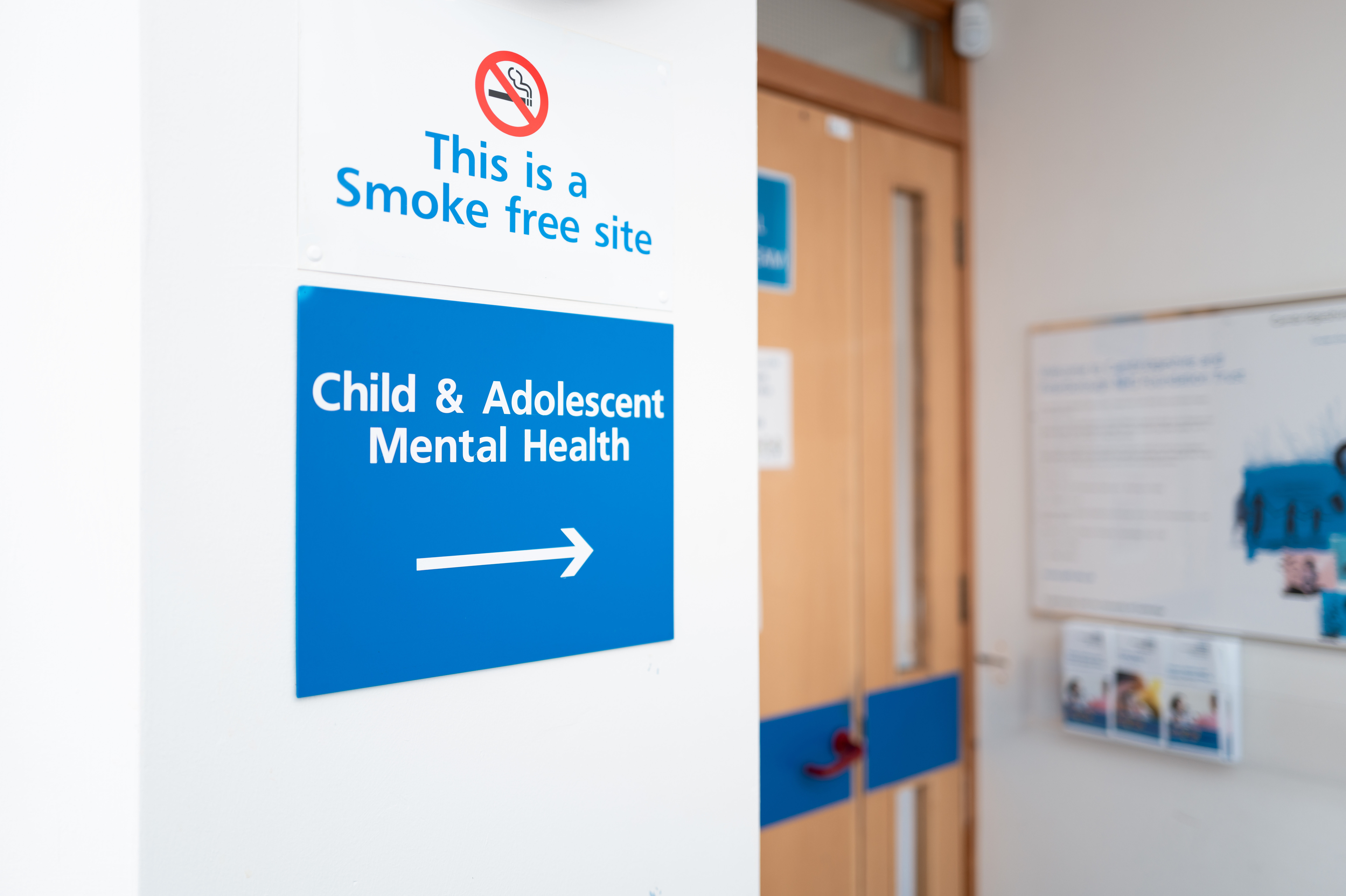
Scottish Labour will restore NHS dentistry and end the dental deserts across the country by:
• Incentivising newly qualified dentists to work in underserved and deprived areas as part of a wider review of public service dentistry.
• Increasing the number of dental therapists as part of a dental workforce plan to enable patients to be seen more quickly for routine check-ups and treatments.
• Requiring Scottish dental students to work in the NHS for five years or pay back their tuition and bursaries.
• Double the coverage of Childsmile, building on its success by expanding the toothbrushing programme to Primary 3 and Primary 4 in targeted schools.
• Improving access to dental health support workers within deprived areas and for families in need of support.
Helping people to live well
For too long the NHS has operated as a sickness service, but there is so much more we can do to help people to live healthier lives for longer. To help the increasing number of people living with long-term and chronic conditions, Scottish Labour will:
• Improve access to outpatient services, making use of new technology for monitoring, expanding virtual clinics, and incentivising GPs to run chronic condition clinics through the new contract.
• Develop a cardiology community service and expand telemonitoring of blood pressure in the community.
• Improve services for patients with long covid and ME, with specialist clinics and pathways.
• Deliver a right to rehab so that those recovering from surgery and living with long-term conditions can maintain their health and mobility for a long as possible.
• Prioritise the delivery of a 24/7 thrombectomy service so that every patient in Scotland can access the best possible stroke treatment.
• Deliver health checks for people with learning disabilities, improving uptake and delivering on the commitment to people with learning disabilities across the country.
Promoting healthy lifestyles
Many illnesses that place demand on the NHS and reduce an individual’s quality of life are preventable. Scottish Labour will improve public health interventions by:
• Ending new cases of HIV in Scotland by 2030, with opt-out testing in A&E departments in areas of high prevalence, online prevention services and awareness campaigns to tackle stigma and encourage uptake of HIV treatment and care.
• Working with supermarkets to promote healthy food promotions and reduce sales
of food with no nutritional value.
• Expanding smoking cessation programmes, preventing the promotion of vaping to non-smokers and young people, and gathering more robust data on the rate of young people taking up smoking and vaping.
• Extending smoke-free zones, around schools and playgrounds taking similar measures to those applied to hospitals.
• Exploring options to expand the safe and appropriate prescription of anti-obesity injections, building on the clinical trials already underway in Scotland.
• Establishing a vaccine promotion campaign to drive up vaccination rates in children and adults at risk over winter.
Catching and treating cancer early
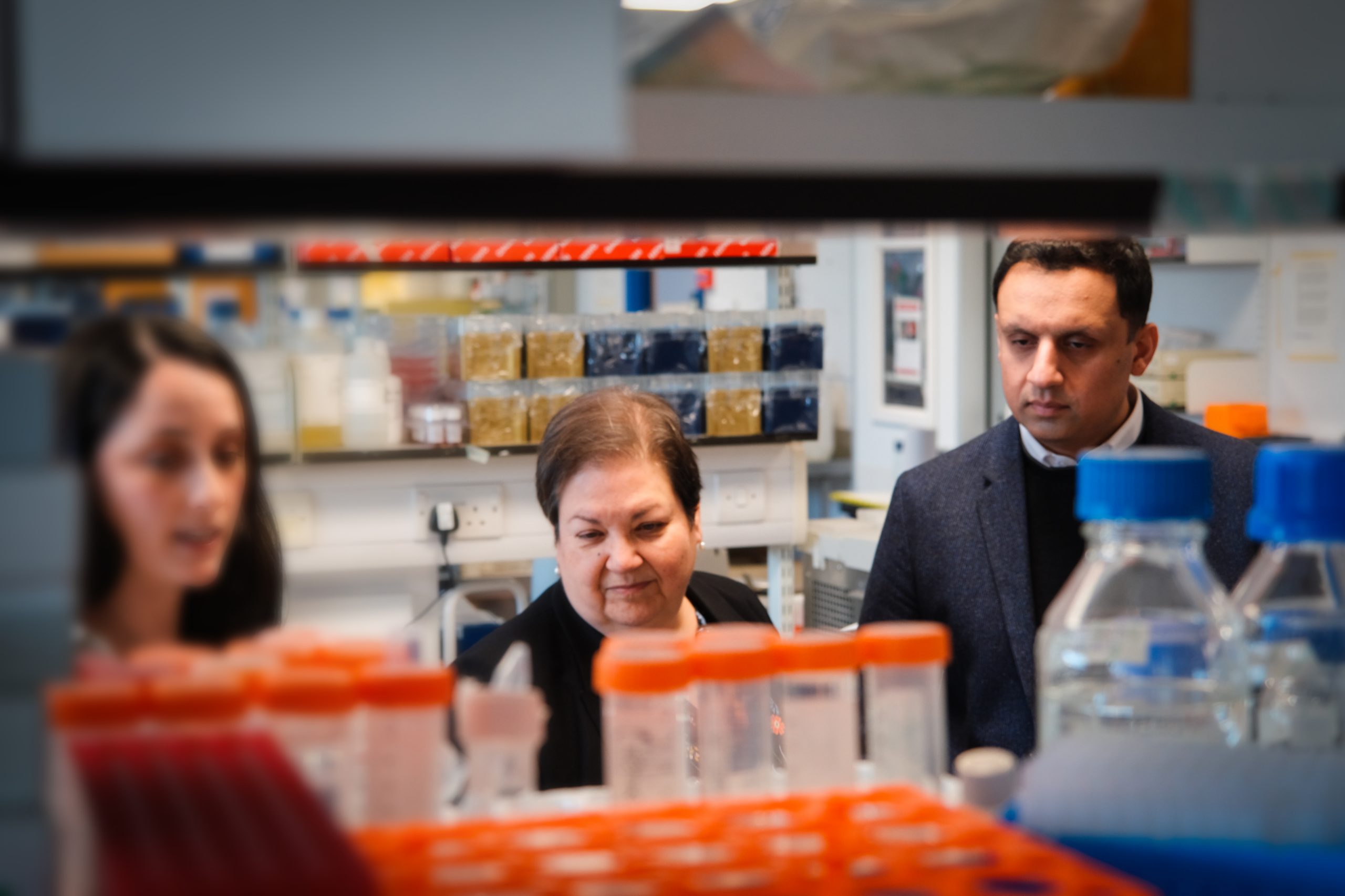
When people do become sick, it is crucial that they can access treatment and care as quickly as possible. Early diagnosis is essential to improve survival rates, especially when it comes to cancer but delays to diagnosis persist. Scottish Labour will ensure the NHS meets its cancer waiting standards with:
• Investment in new AI-enabled scanners and the diagnostic workforce, upgrading NHS Scotland’s outdated infrastructure and helping to catch cancer earlier so that Scotland finally hits the 62 day referral target.
• National coverage of Rapid Cancer Diagnostic Services, so that patients in every health board area can be referred on to a rapid diagnostic pathway to reduce unnecessary appointments.
• Modernised screening programmes, rolling out lung cancer screening, cervical self-sampling, and a prostate screening pilot. We will also deliver more targeted programmes in deprived areas and improved availability out of hours.
• A personalised care plan for every cancer patient, so that every patient has clarity about their treatment and a single point of non-clinical contact to turn to for support throughout their patient journey.
Addressing Scotland’s substance misuse crisis
Despite being declared an emergency, Scotland’s drug and alcohol deaths crisis is costing thousands of lives every year. Scottish Labour will act with the urgency needed by:
- Investing in alcohol and substance misuse recovery services, maintaining national funding and recouping the profits from minimum unit pricing from large retailers to fund frontline rehabilitation services.
- Simplifying oversight of substance misuse services, reviewing the effectiveness of alcohol and drug partnerships and ensuring funding decisions are informed by voices from the frontline of rehabilitation and harm reduction services.
- Creating alcohol care teams, working in the hospitals with the highest alcohol-related admissions to provide interventions and support patients and families living with alcohol misuse.
- Expanding residential rehab, ensuring it is available to all those who wish to access these services and gathering better data on patient journeys through rehabilitation.
- Expanding the availability of community rehabilitation programmes, with dedicated funding for peer support programmes and aftercare for individuals completing residential rehabilitation programmes.
- Reviewing the impact of the Thistle safe consumption pilot, including the consequences for the surrounding area and ensuring any provision is evidence based.
- Rolling out drug checking services, to protect users against the rise of potent synthetics.
Improving end of life care
Too many people are reaching the end of life without the support they need. Compassionate and well-planned palliative services give patients comfort and care when they are terminally ill. Scottish Labour will:
• End the patchwork provision of palliative care, working with the profession to improve clinical pathways and minimum standards of care for those at the end of life.
• Improve palliative care training, for staff in social care and health services, including NHS 24, so patients and families get the advice and support they need.
• Better coordinated care in the community, with family GPs delivering improved continuity of care.
• Deliver parity of pay for hospice-based doctors and nurses, with a long-term sustainable funding model for hospices and end of life care.
Valuing social care
Social care is crucial for the dignity of our family, friends and neighbours. When we get social care services right, it also relieves the pressure on our NHS. Scottish Labour will:
• Work in partnership with the sector to create a National Care Service worthy of the name, creating consistent standards of quality and service delivery everywhere across the country.
• Immediately fund an additional 1,000 care at home packages and 300 step down beds, as a first step to reducing levels of delayed discharge in hospitals.
• Recognise the role of unpaid carers, improving access to respite and support for them to manage their own health and wellbeing.
• Removing non-residential care charges, so people are not penalised financially for needing help to live at home independently.
• Crack down on poorly run care homes, prioritising more regular inspections and improving transparency for residents and their families so quality services are easier to identify.
• Deliver £15 per hour as a minimum pay for care workers, working with trade unions to improve terms and conditions through collective pay bargaining in the sector.
• Create clear career pathways for carers, with professional development, registration and training so that care workers are given the respect their work deserves.